Tiếng Việt
 한국어
한국어

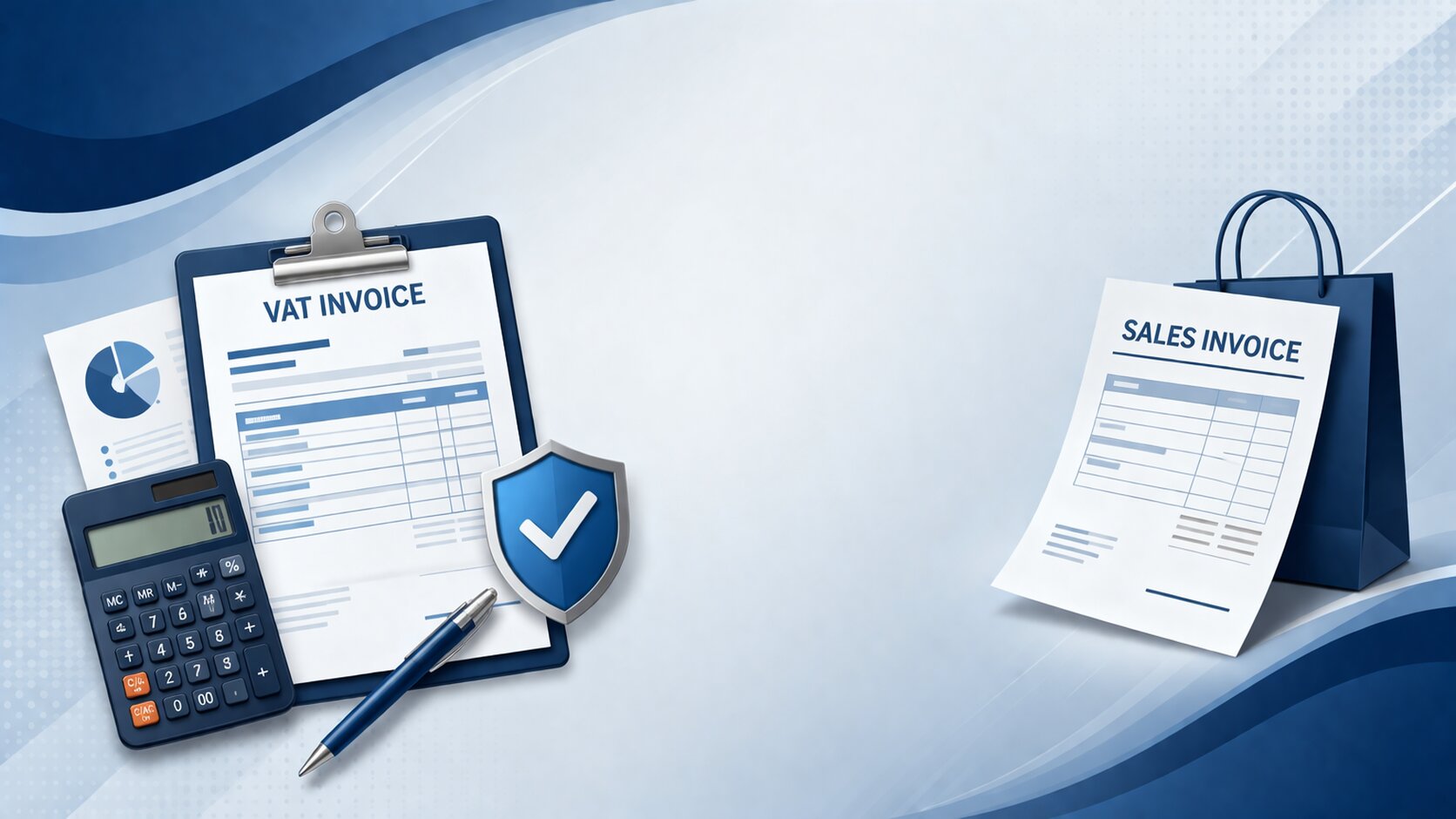
VAT Invoice vs Sales Invoice – Applicable Entities and Key Differences
During business operations in Vietnam, many companies still face confusion between VAT invoices and sales invoices, especially when applying different tax declaration methods.
According to Decree No. 123/2020/ND-CP (as amended by Decree No. 70/2025/ND-CP), a VAT invoice is used by organizations and companies that declare VAT under the credit (deduction) method.
This type of invoice is applied in the following cases:
- Sale of goods and provision of services within Vietnam
- International transportation
- Export of goods and services
- Transactions related to non-tariff zones or treated as exports
- Certain e-commerce and cross-border services provided by foreign suppliers without a permanent establishment in Vietnam
In contrast, a sales invoice is used by organizations and individuals that declare VAT under the direct method. While it is also used for similar business activities (domestic sales, exports, service provision), it does not involve VAT deduction.
For companies operating in non-tariff zones, when transactions occur with the domestic market or between entities within the same zone, the invoice must clearly state:
“For organizations and individuals in non-tariff zones.”
Important Note: Invoice Issuance Timing
Another key point for businesses is the timing of issuing electronic invoices, especially for export transactions.
Under current regulations, for export activities (including processing for export), companies can determine the invoice issuance time themselves. However, it must be no later than the next working day after customs clearance.
This regulation provides flexibility while still ensuring compliance with legal deadlines.
Key Takeaway
Correctly identifying the appropriate invoice type and issuance timing is essential not only for compliance but also for minimizing tax and accounting risks in Vietnam.
Source: thuvienphapluat